Practical answers
Frequently asked questions
From permits to payment — the questions travellers ask us most often, grouped by topic.
Permits
Yes. Permits are limited and often sell out months ahead in peak season. We recommend starting the conversation early so we can secure the right dates and parks — Uganda, Rwanda, or both.
For June–September and Christmas peak windows, six to twelve months is wise. Shoulder months can be shorter, but popular lodges still fill. We will tell you honestly what is still available.
Usually yes — but busy weeks still book out. We confirm current allocation when we propose your dates.
Best time to travel
It depends on what you want to see. Dry seasons (roughly June–September and December–February) are most reliable for wildlife and trekking. We still travel in the green seasons when it suits your pace and interests — fewer vehicles, softer light, and often better rates.
Not necessarily. Short rains can mean greener landscapes and quieter parks. Long rains can slow roads and close some treks briefly. We match season to your priorities, not a calendar myth.
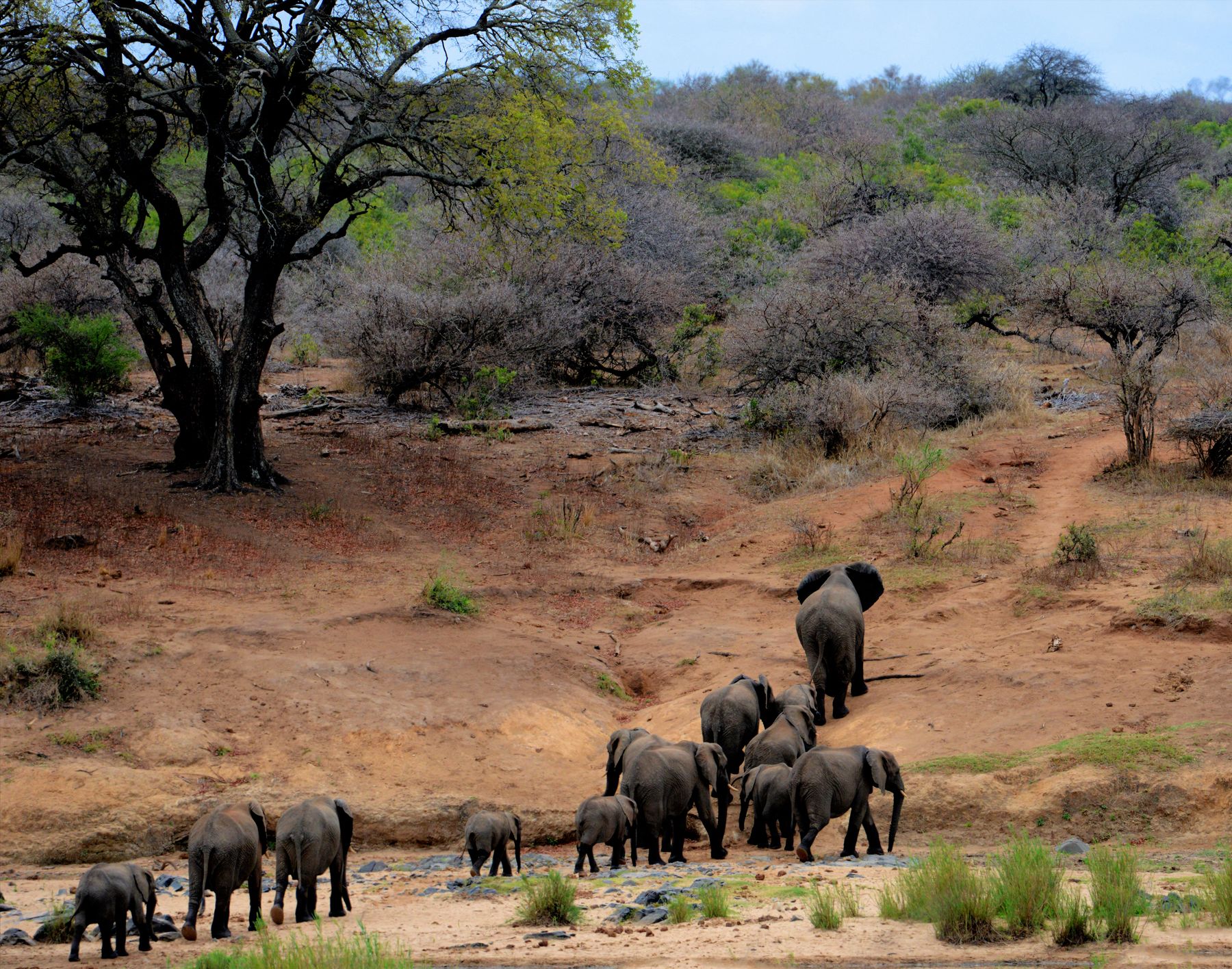
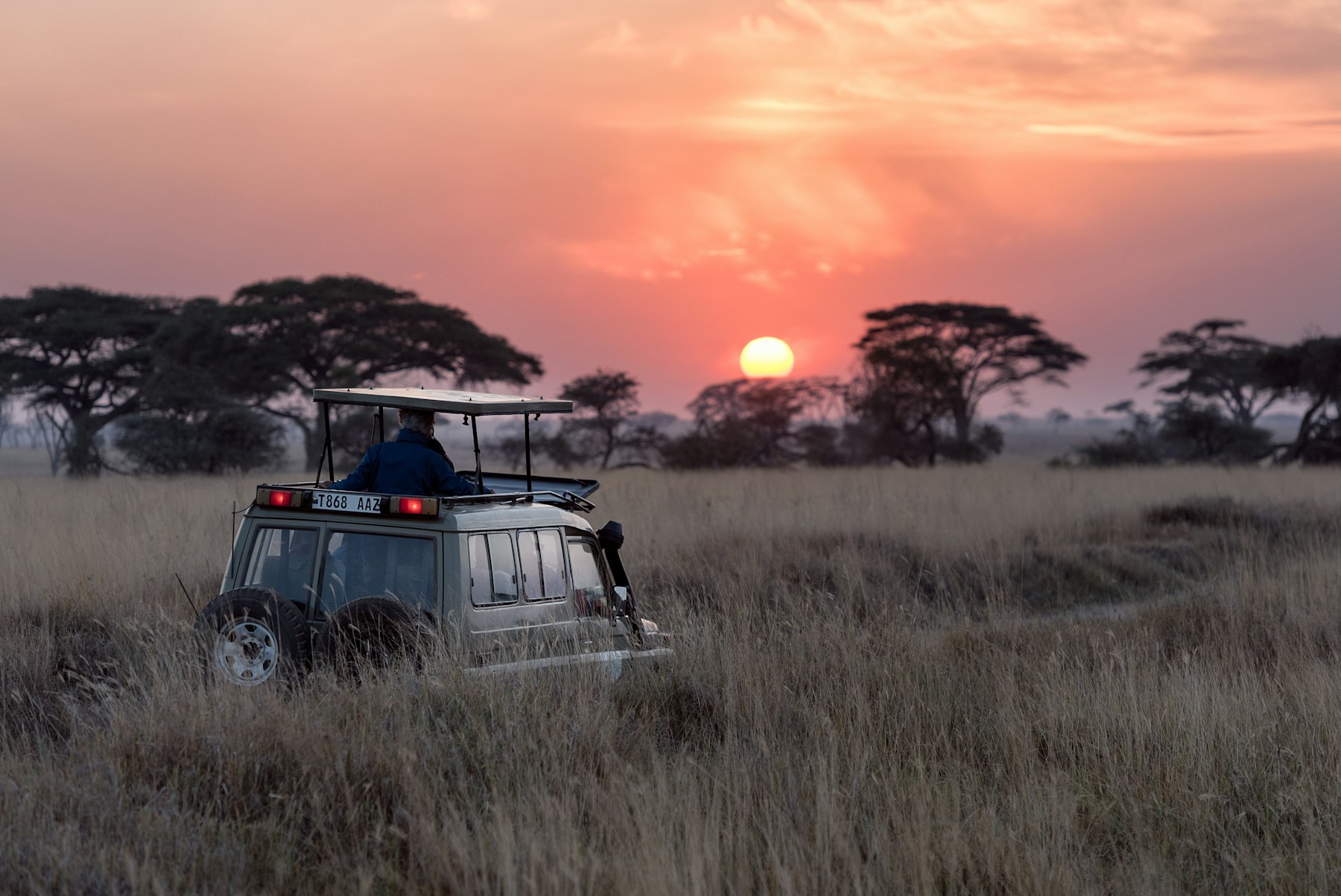
Herds move with rain and grass — timing shifts year to year. We plan Mara–Serengeti chapters around the latest intelligence, not a fixed brochure month.
Inclusions
Private guiding and vehicles, lodge nights as confirmed, park fees and permits as agreed, and the logistics that stitch each day together. International flights, visas, travel insurance, and personal expenses are usually separate — we spell this out clearly in your proposal.
No. We select stays for location, character, and how they complement your journey. We do not own camps — we curate preferred partners.
Meals follow each lodge’s plan (often full board on safari). Park fees and permits are confirmed line by line in your proposal so there are no surprises.
Families
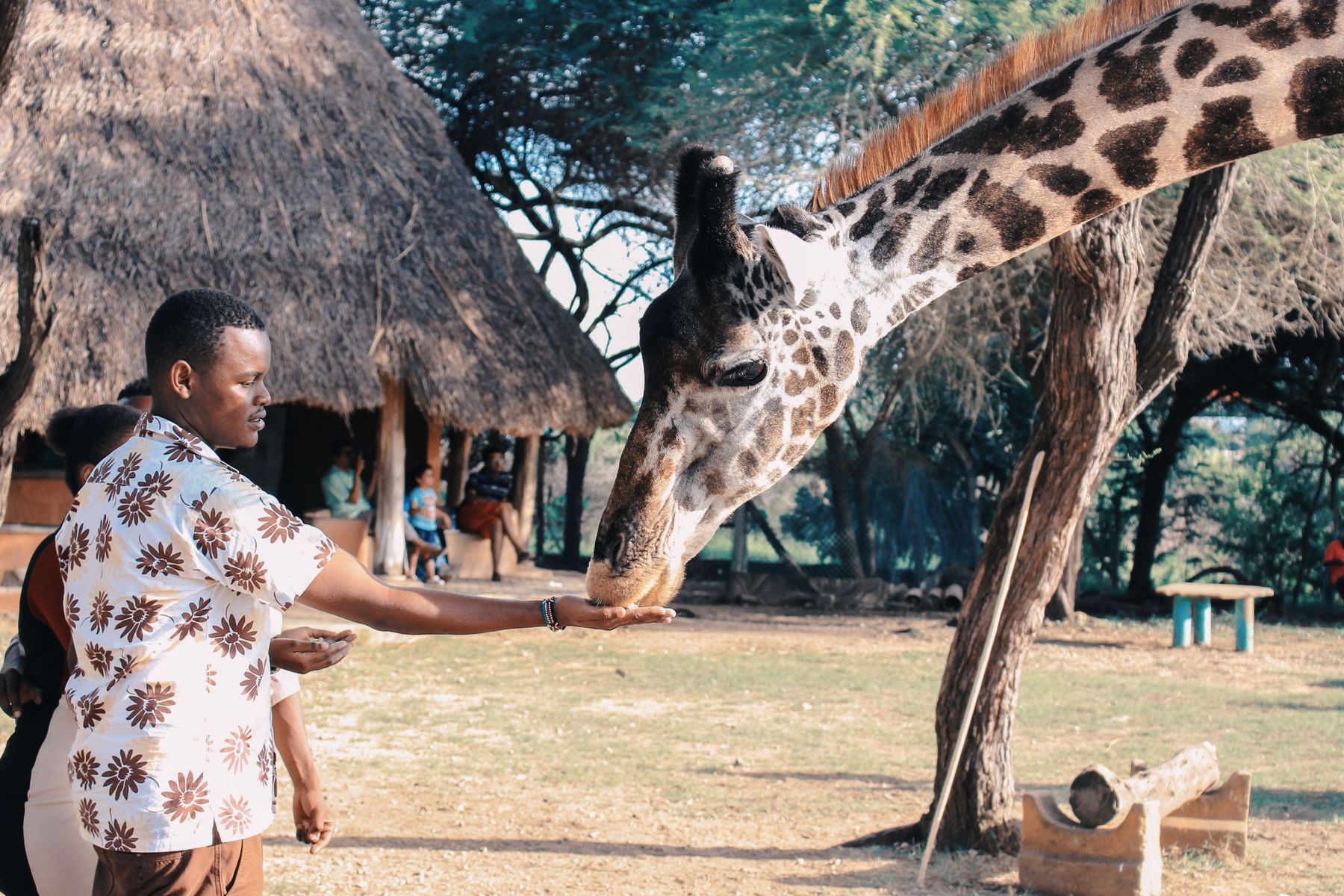
Yes. We design family journeys with age-appropriate pacing, quieter camps where possible, and activities that work for mixed ages — from gentle game drives to cultural visits and swimming holes.
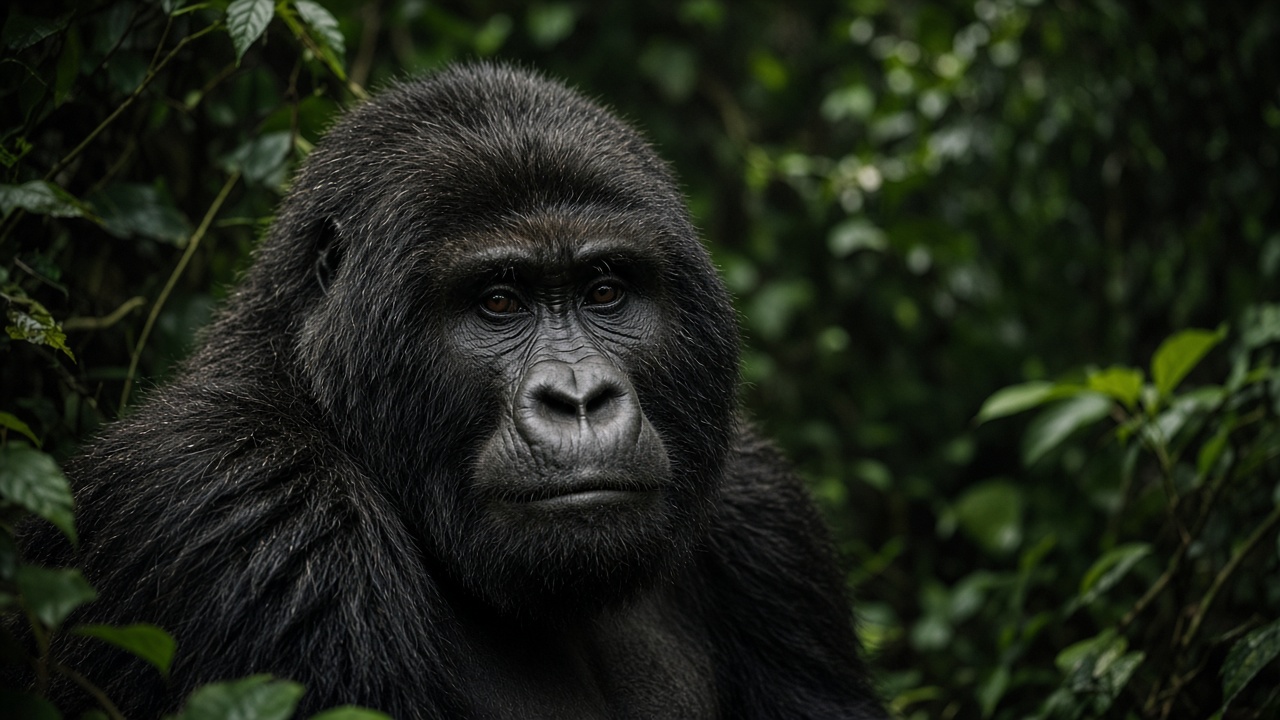
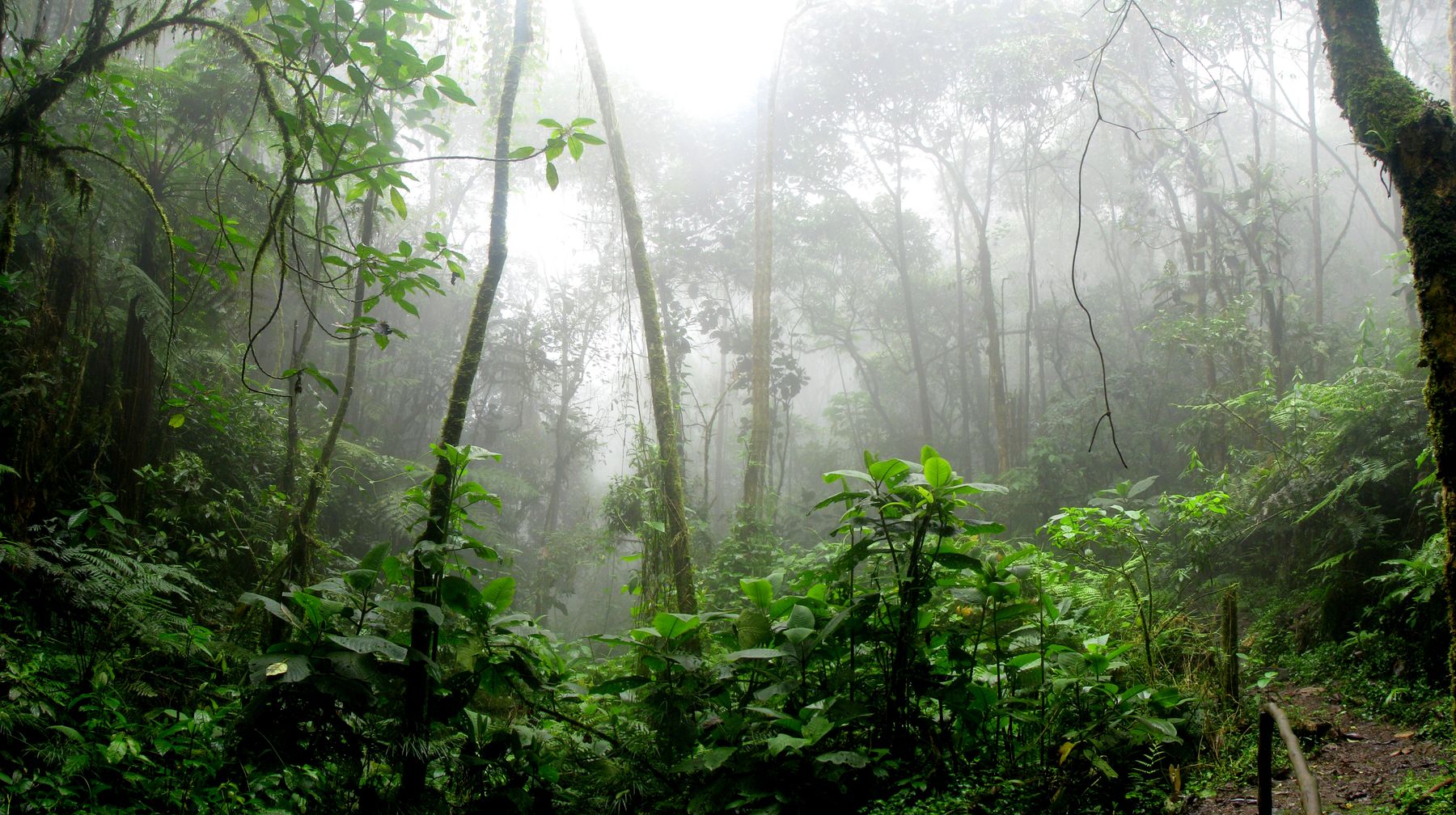
Parks set minimum ages (commonly 15 for mountain gorillas). We plan chimpanzee forest, savannah, and boat days for younger travellers, and keep gorilla days for those who qualify.
Often yes — with private vehicles, flexible daily rhythm, and lodges that welcome mixed ages. Tell us the ages and energy levels; we design around them.
Payment & cancellation
We outline a clear deposit and balance schedule in your proposal, tied to lodge and permit deadlines. International bank transfer is most common; we confirm details once the itinerary is agreed.
Terms depend on permits, stays, and season. Non-refundable permits and lodge deposits are common close to travel. We set everything out in writing before you pay a deposit — see also our Cancellation Policy page.
Sometimes — subject to permit availability and lodge rules. Early notice helps. We renegotiate on your behalf and confirm any cost difference before you decide.
Health & visas
Many travellers to Uganda and the region need proof of yellow fever vaccination for entry. Rules change — check official sources and your doctor; we share current guidance when you enquire.
East Africa is a malaria region for many itineraries. Discuss prophylaxis with a travel clinic. Comprehensive travel insurance (including evacuation) is essential; we can outline what cover to look for.
We advise on typical requirements and visa-on-arrival or e-visa processes, but you remain responsible for valid documents. We include a practical briefing in your pre-departure notes.
General
We show a from-price where it helps, or invite a private proposal for highly tailored travel. Luxury is in the experience, not a catalogue number.
No. We select stays for location, character, and how they complement your journey.